
Tanzania - The Ultimate Safari Experience
Tour Date:
March 2 to 9, 2027.
Eight days, starting and finishing at Kilimanjaro International Airport.
Tour Price (Per Person):
$2,800 per person.
Single supplement: $300.
Day 1 is on a bed and breakfast basis. Days 2 to 7 are full board.
Tour Type:
Easy wildlife safari with excellent birding. All game viewing from 4×4 safari vehicles.
Tanzania Safari Overview
Eight days, one country, and just about every image you have ever had in your head of an African safari.
This is the classic northern Tanzania circuit done properly: Tarangire, the Serengeti, Ndutu, the Ngorongoro Crater and Lake Manyara, timed for early March when the wildebeest are massed on the short grass plains around Ndutu with newborn calves at foot, and the predators are never far away.
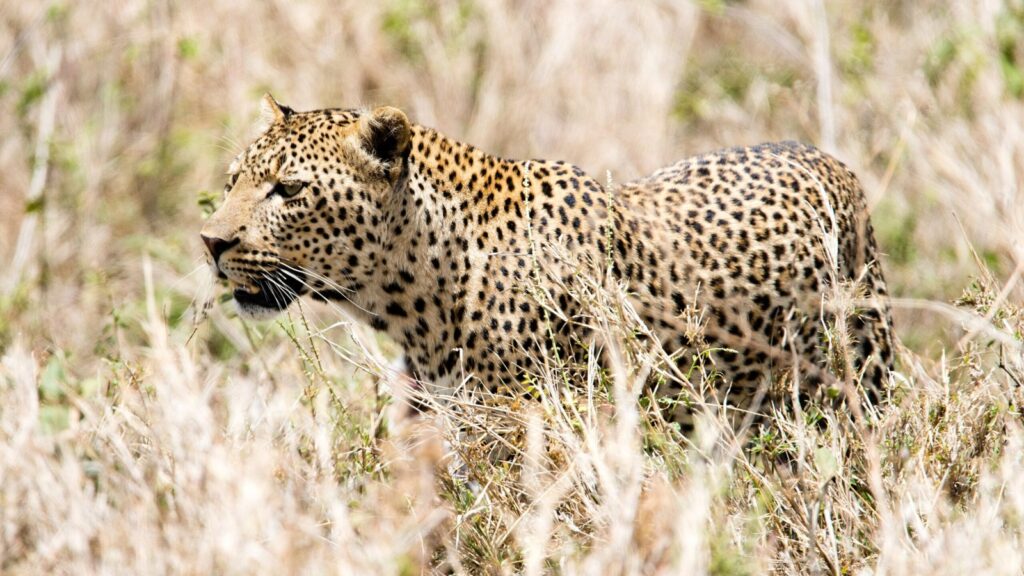
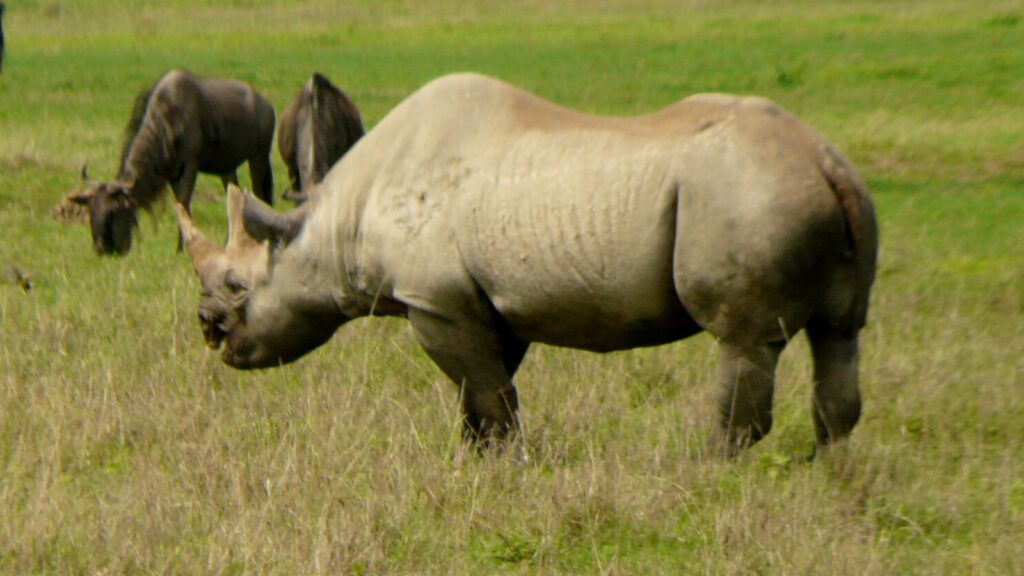
In one week you have a serious chance at all of the Big Five: Lion, Elephant and Buffalo of course, Leopard in the sausage trees of the Seronera valley, and Black Rhinoceros on the floor of the Ngorongoro Crater, which is the most reliable place on earth to see one. Additionally, Cheetah on the Ndutu plains.
And because we are birders, we do not drive past the birds. Northern Tanzania holds species found nowhere else on the planet: Grey-breasted Spurfowl in the Serengeti, Ashy Starling, Rufous-tailed Weaver and Yellow-collared Lovebird around Tarangire, and Fischer’s Lovebird at Ndutu (also migrant to Rwanda and Burundi). Early March also catches the Palearctic migrants before they head north, so the plains are alive with harriers, Steppe Eagles and Lesser Kestrels.
The pace is easy. All game viewing is done from 4×4 safari vehicles with roof hatches, the lodges and tented camps are comfortable, and a non-birding partner will enjoy this trip every bit as much as you do.
Detailed Safari Itinerary
Northern Tanzania in early March is about as good as African wildlife watching gets. The short rains have greened the plains, the wildebeest and zebra are concentrated on the Ndutu short grass plains with young calves at foot, the resident predators are hunting them, and the Palearctic migrants have not yet left. We travel in 4×4 safari vehicles with roof hatches, so everyone gets a window and everyone gets a photograph.
Here is the day by day programme, with the main mammals and the most iconic birds we look for at each stop.
Day 1. March 2, 2027. Arrival. Kilimanjaro International Airport to Arusha.
You are met at Kilimanjaro International Airport and transferred to the Outpost Lodge in Arusha for the night, on a bed and breakfast basis. If you arrive early, the lodge gardens are a gentle introduction to East African birds.
Birds: Hadada Ibis, Speckled Mousebird, Baglafecht Weaver, Variable and Bronze Sunbird, African Paradise Flycatcher, Red-eyed Dove, Common Bulbul, Bronze Mannikin, with Black Kite and Augur Buzzard overhead.
Day 2. March 3. Tarangire National Park, then on to Karatu.
Baobab studded hills above the Tarangire river, and the greatest concentration of elephants in northern Tanzania. A full day of game viewing, then we continue to Saint Catherine Safari Lodge in Karatu. Full board.
Mammals: African Elephant in big family herds, Maasai Giraffe, Plains Zebra, African Buffalo, Common Waterbuck, Impala, Fringe-eared Oryx, Lesser Kudu, Coke’s Hartebeest, Kirk’s Dik-dik, Olive Baboon, Vervet Monkey, Banded and Dwarf Mongoose, Lion, and a chance of Leopard.
Birds: Tarangire is the place for dry country specials and for Tanzanian endemics. Ashy Starling, Rufous-tailed Weaver and Yellow-collared Lovebird are found nowhere else in the world. Add Southern Ground Hornbill, Von der Decken’s and Red-billed Hornbill, Red-and-yellow Barbet, D’Arnaud’s Barbet, Bare-faced Go-away-bird, Yellow-necked Spurfowl, Black-faced Sandgrouse, Kori Bustard, Magpie Shrike, Northern Pied Babbler, Silverbird and Lilac-breasted Roller.
Day 3. March 4. Into the Ngorongoro Conservation Area, a full day at Ndutu, then on to the central Serengeti.
An early start from Karatu. We enter the Ngorongoro Conservation Area at Loduare Gate, climb through the misty highland forest on the crater rim and drop down past Olduvai Gorge onto the endless short grass plains. The heart of the day, seven to eight hours of it, is spent game viewing at Ndutu, which in early March is the centre of the wildebeest calving. Late in the afternoon we cross into Serengeti National Park at Naabi Hill Gate and continue to Seronera, the hub of the park, for dinner and two nights at Serengeti Pazuri Tented Camp. Full board.
Mammals: tens of thousands of Blue Wildebeest and Plains Zebra with newborn calves, Cheetah (Ndutu is one of the best places on earth for them), Lion, Spotted Hyena, African Golden Wolf, Bat-eared Fox, Serval, Thomson’s and Grant’s Gazelle, Topi and Coke’s Hartebeest.
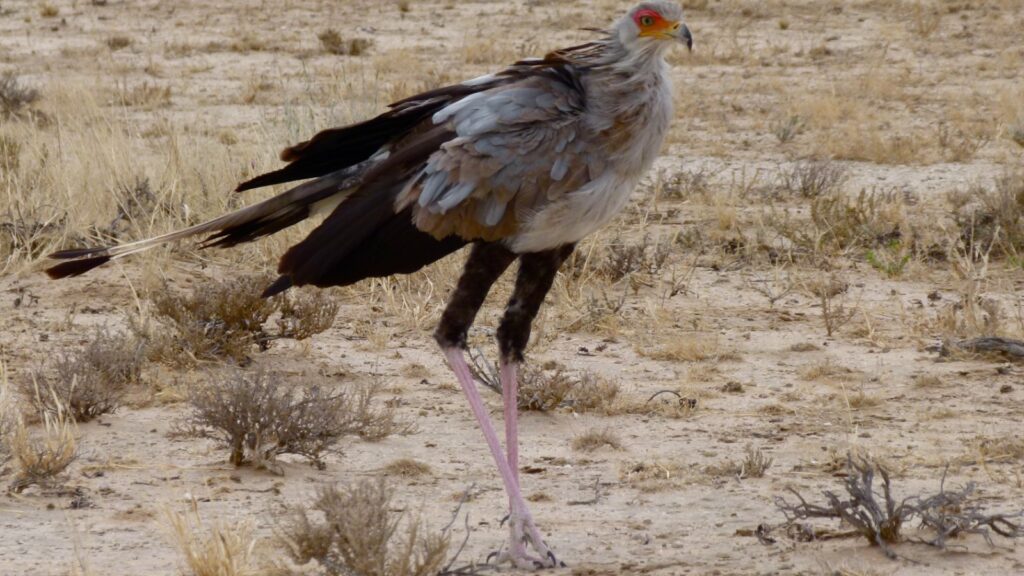
Birds: Kori, Black-bellied and White-bellied Bustard, Secretarybird, Two-banded and Temminck’s Courser, Capped Wheatear, Fischer’s Sparrow-Lark, Athi Short-toed Lark, Red-capped Lark, Rosy-throated Longclaw, and Chestnut-banded Plover and Lesser Flamingo on Lake Ndutu. Early March is peak raptor passage: Pallid and Montagu’s Harrier, Steppe Eagle and Lesser Kestrel. As we come up towards Seronera we start looking for the Serengeti’s own endemic, the Grey-breasted Spurfowl, along with Fischer’s Lovebird, Rufous-tailed Weaver and Grey-crested Helmetshrike.
Day 4. March 5. Full day in the Serengeti.
The Seronera valley, with its sausage trees and granite kopjes, is the most reliable Leopard country in East Africa, and the place where lions lie out on the warm rocks in the early light.
Mammals: Leopard, Lion prides, Cheetah, Serval, African Elephant, African Buffalo, Defassa Waterbuck, Bohor Reedbuck, Banded Mongoose, and Klipspringer and Rock Hyrax on the kopjes. Hippopotamus and Nile Crocodile at the Retima hippo pool.
Birds: Grey-breasted Spurfowl, Schalow’s Turaco, Red-throated Tit, Karamoja Apalis in the whistling thorn, Verreaux’s Eagle-Owl, Pygmy Falcon, Grey Kestrel, African Fish Eagle, Saddle-billed and Yellow-billed Stork, Grey Crowned Crane, Beautiful Sunbird, Silverbird, Northern White-crowned Shrike and Lilac-breasted Roller.
Day 5. March 6. Serengeti, then back down to Ndutu for the night.
We spend most of the day in the Serengeti, working the Seronera valley and the kopjes again, before leaving the park and re-entering the Ngorongoro Conservation Area at Naabi Hill Gate. From there it is a short run of about half an hour, game viewing all the way, reaching Ndutu at around 5:45 PM for the best light of the day over the herds. Dinner and overnight at Ndutu Pure Migration Tented Camp. Full board.
Mammals: a second crack at the Seronera predators in the morning, then the migration herds again at Ndutu in the evening, with Lion, Spotted Hyena, African Golden Wolf and Bat-eared Fox coming out as the light goes. Genet often comes to the lights around camp after dark.
Birds: Usambiro Barbet, Common Ostrich, Ruppell’s and White-backed Vulture, Bateleur, Martial Eagle and Tawny Eagle on the drive south, then Spotted Thick-knee, African Scops Owl and Verreaux’s Eagle-Owl around camp at dusk.
Day 6. March 7. Ndutu morning, then to Karatu.
A full morning in the Ndutu acacia woodland and along Lake Masek, before we leave the conservation area through Loduare Gate and return to Saint Catherine Safari Lodge in Karatu. Full board.
Mammals: Cheetah with cubs, Lion in the acacia woodland, African Elephant, Maasai Giraffe, Kirk’s Dik-dik, African Wildcat and African Golden Wolf.
Birds: Double-banded Courser, Red-necked Falcon, Fischer’s Lovebird, Von der Decken’s Hornbill, Beautiful Sunbird, Grey-backed Fiscal and a last sweep of the Ndutu larks and coursers.
Day 7. March 8. Ngorongoro Crater.
We leave the lodge as early as we can, to be among the first vehicles down the crater wall. Twenty kilometres across, with something like 25,000 large animals inside it, the crater floor is the densest wildlife spectacle in Africa. We climb out at about 4:15 PM and return to Saint Catherine Safari Lodge for the last night of the safari. Full board.
Mammals: this is the best place in the world to see Black Rhinoceros. Also the crater’s famous big-maned Lions, Spotted Hyena, African Golden Wolf, Serval, big-tusked Elephant bulls, African Buffalo, Common Eland, Hippopotamus, Bohor Reedbuck, and Mountain Reedbuck up on the rim.
Birds: Greater and Lesser Flamingo on Lake Magadi, Grey Crowned Crane, Secretarybird, Kori Bustard, Rufous-tailed Weaver, Hildebrandt’s Francolin, Rosy-throated Longclaw, Anteater Chat, Schalow’s Wheatear, Augur Buzzard, and Verreaux’s Eagle along the rim. In the rim forest we look for Hartlaub’s Turaco, Golden-winged Sunbird, Eastern Double-collared Sunbird and White-eyed Slaty Flycatcher.
Day 8. March 9. Lake Manyara National Park, then Kilimanjaro International Airport.
A half day in Manyara, the most bird rich park of the whole trip, and then the transfer to Kilimanjaro International Airport in time for your flight home.
Mammals: Blue Monkey and large troops of Olive Baboon in the groundwater forest, Hippopotamus, African Elephant, Bushbuck, Impala, and Manyara’s celebrated tree climbing Lions if we are lucky.
Birds: Silvery-cheeked Hornbill, Crowned Hornbill, Crested Guineafowl, Narina Trogon, African Pygmy Kingfisher and Schalow’s Turaco in the forest. Along the lake shore, Great White and Pink-backed Pelican, Yellow-billed Stork, African Spoonbill, Lesser Flamingo, African Fish Eagle and Palm-nut Vulture.
A note on how the Ndutu days are arranged. A single entry permit for the Ngorongoro Conservation Area is valid for 24 hours if you are staying overnight inside it, and 12 hours on a day trip. Rather than squeeze Ndutu into a late afternoon arrival, we use that rule to our advantage: a long seven to eight hour game drive at Ndutu on the way into the Serengeti on day 3, then a second entry at Naabi Hill Gate on day 5 that buys us the golden evening, the night, and the whole of the following morning before we leave through Loduare Gate. Same number of nights, same price, far more time with the migration.
Photographs on this page, via Wikimedia Commons: wildebeest migration by DipaliLath (CC BY-SA 4.0); Leopard, Seronera Valley, by Christoph Strassler (CC BY-SA 2.0); Black Rhinoceros, Ngorongoro Crater, by xorge (CC BY-SA 2.0); Secretarybird by Bernard Dupont (CC BY-SA 2.0).
Tanzania Safari FAQ
When is the best time to go on safari in Tanzania?
The northern circuit is rewarding all year, but there are two peak windows. Late January to March is calving season, when the wildebeest are massed on the short grass plains around Ndutu. June to October is when the herds are in the northern Serengeti and river crossings are possible. This tour is deliberately set in early March, at the tail of the calving, when the plains are green, the herds are concentrated, predator activity is at its highest, and the Palearctic migrant birds are still in the country before heading north.
What is the wildebeest calving season at Ndutu?
Something like 400,000 wildebeest calves are dropped on the southern Serengeti and Ndutu plains between late January and mid March, most of them inside a few short weeks. It is the best time of the year in Tanzania for predator sightings, because everything that hunts follows the herds. Ndutu is the heart of it, which is why day 3 of this itinerary gives you seven to eight hours there rather than a token afternoon.
How much does an 8 day Tanzania safari cost?
This one is $2,800 per person, with a single supplement of $300. That covers seven nights of accommodation on the meal plans listed above, 4×4 safari vehicles with roof hatches, and guiding throughout.
What is the northern circuit?
It is the classic Tanzanian safari route: Tarangire National Park, Lake Manyara National Park, the Ngorongoro Conservation Area including the crater itself, and the Serengeti. This tour covers all four, and adds Ndutu.
Do I need to be a birder to join this safari?
Not at all. This is a full safari first: big cats, elephant herds, Black Rhinoceros and the migration. The birding runs alongside it, and a non-birding partner enjoys this trip every bit as much as a birder does.
How many birds can you see on a Tanzania safari in a week?
Birding as you go along the northern circuit in March, a week will usually produce somewhere between 200 and 300 species. That includes Tanzanian endemics found nowhere else on earth: Grey-breasted Spurfowl, Ashy Starling, Rufous-tailed Weaver and Yellow-collared Lovebird.
Where can I see Black Rhino in Tanzania?
The floor of the Ngorongoro Crater, which holds one of the most reliable populations of Eastern Black Rhinoceros anywhere in Africa. Day 7 of this safari is a full day inside the crater.
Which airport do I fly into?
Kilimanjaro International Airport, code JRO. The tour starts and finishes there, so you only need one set of international flights.