
White-headed Duck, Red-crested Pochard, Common Shelduck, Common Pochard, Gadwall, Marbled Duck, and Ferruginous Duck, Little Bittern, Purple Swamphen, Water Rail, Purple Heron, Glossy Ibis, Eurasian Spoonbill, Greater Flamingo, Squacco Heron, Kentish Plover, Black-winged Stilt, Pied Avocet, Wood Sandpiper, Black-tailed Godwit, Common Snipe, Common Greenshank, Common Redshank, Sanderling, Dunlin, Little Stint, Ruff, Curlew Sandpiper, Balearic Shearwater, Northern Gannet, Audouin’s Gull, Mediterranean Gull, Yellow-legged Gull, Slender-billed Gull, Pallid Swift, Red-rumped Swallow, Crag Martin, Zitting Cisticola, Sardinian Warbler, Cetti’s Warbler, Yellow Wagtail, Hoopoe, Crested Lark, Spotless Starling and European Serin.
Iberian Lynx, Alhambra and Raptor Bonanza
Tour Date:
April 6-12, 2026. (Extended tour to 7 days in 2026)
Tour Price (Per Person):
$2600. Guiding, entrance fees, lodging, food, and transport are included.
Tour Type:
Easy birding and wildlife, with moorish culture (Alhambra and Cordoba Mesquita) and a feel for Andalusian Spain.
Summary
New improved itinerary. The itinerary has been updated on Jan 30, 2026.
Day 1: Airport Madrid via Toledo for some culture and Ciudad Real for Great Bustards to Ubeda, where we stay overnight.
Day 2: Cazorla, Segura y Las Villas. Spain’s Largest National Park. Stay in Ubeda.
Day 3: The Natural Park of Sierra Magina. The realm of the Golden Eagle and drive to Granada to visit Alhambra in the afternoon. Return to Ubeda.
Day 4: Sierras de Andujar Natural Park. Stay near the park.
Day 5: Sierras de Andujar Natural Park. In the middle of the day, we make a cultural visit to Cordoba. Continue to Jerez and Laguna de Medina.
Day 6: Waldrapp at Vejer de la Frontera and Tarifa for migration.
Day 7: Birding near Malaga. End of trip early afternoon.
A touch of the classic Spain - The Magic of Andalucia
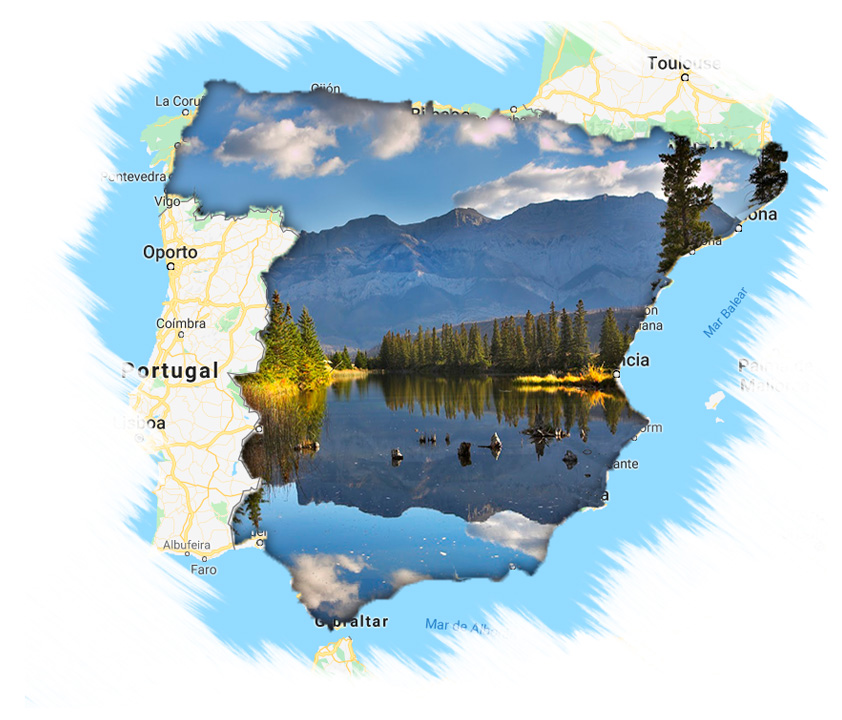
It is still possible to find the hidden white painted villages in the Sierras of Andalucia and get a feel of the real Spain with different tapas served with every beer or dry sherry (Jerez Fino) you drink and where you’ll a have refreshing cold tomato soup called Gazpacho. The Eagles and Vultures dominate the skies and the elusive Iberian Lynx has a good population here, so you have a good chance of seeing one.
As a birder, nature enthusiast, cultural and gastronomic traveler, there is no reason why a short tour to Spain should not be on your bucket list.
The region also boasts a large number of raptor species and is the last refuge of the Iberian Lynx one of the most endangered feline species in the world.
In addition to the natural wonders, you will experience a unique European culture and history that centuries ago saw the clash of Catholicism and Islam; and the celebrated Mediterranean cuisine. On the way to Andujar, you will visit the Mesquita of Cordoba. The tour ends in the city of Granada at the UNESCO world heritage site, the Alhambra fortress a lasting monument to the Moorish occupation of the Iberian peninsular.
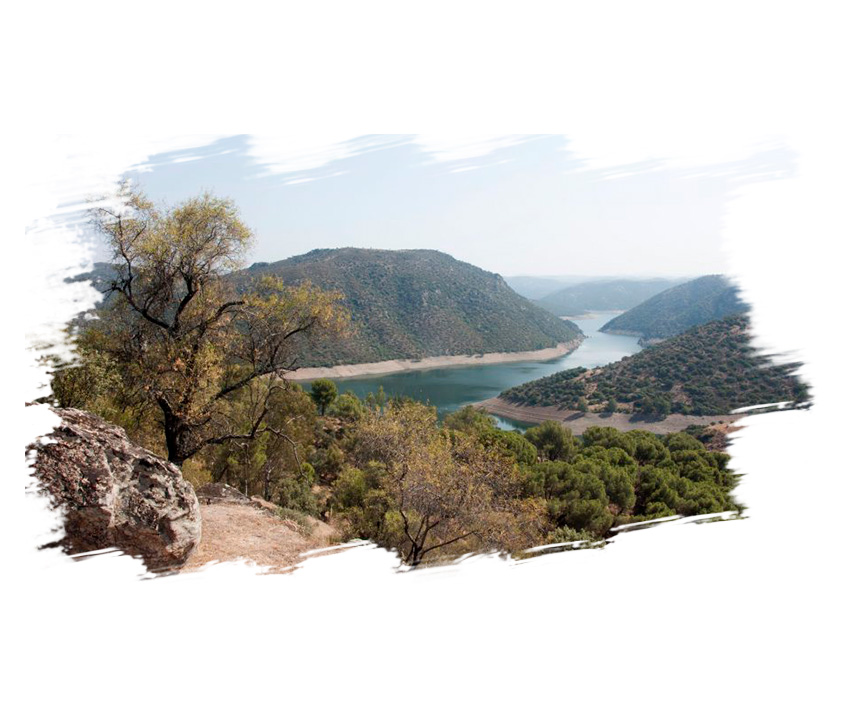
Day 1: Toledo and Great Bustard.
Meet at the airport before 7.00 AM, or at the Barajas hotel where you checked in the previous evening (there are many hotel options from inexpensive hostels to top hotels).
Our first stop is Toledo – historically known as the “City of Three Cultures,” has been a melting pot of Christian, Muslim, and Jewish influences, which is reflected in its stunning architecture and rich heritage. A UNESCO World Heritage Site, Toledo boasts landmarks like the Alcázar, a fortress with centuries of military history, and the awe-inspiring Toledo Cathedral, a masterpiece of Gothic art. Visitors can explore the winding medieval streets, the Synagogue of Santa María la Blanca, and the El Greco Museum, dedicated to the famous Renaissance painter who lived there. The city’s historical sword-making tradition, vibrant artisan shops, and panoramic views from Mirador del Valle make it a must-visit destination in Spain.
Common and Pallid Swifts can be observed soaring over the city, especially around historic buildings like the Toledo Cathedral and the Alcázar, where they nest in crevices.
We grab a bocadillo (sandwich) in a bar and then continue south over Don Quijote’s La Mancha seeing both windmills and medieval castles on hilltops along the way. The afternoon is dedicated to searching for Great and Little Bustards, as well as Black-bellied Sandgrouse.
Our base for the next three nights will be the World Heritage town of Ubeda. Ubeda is known for great tapas bars, and true flamenco. You’ll get a feel for the real Andalucia.
Day 2: Cazorla, Segura y Las Villas Natural Park.
Cazorla, Segura y Las Villas National Park is the largest protected area in Spain and a key biodiversity hotspot, home to rich flora and fauna, including the endangered Iberian ibex and the rare lammergeier vulture, as well as the abundant Fallow and Red Deers.
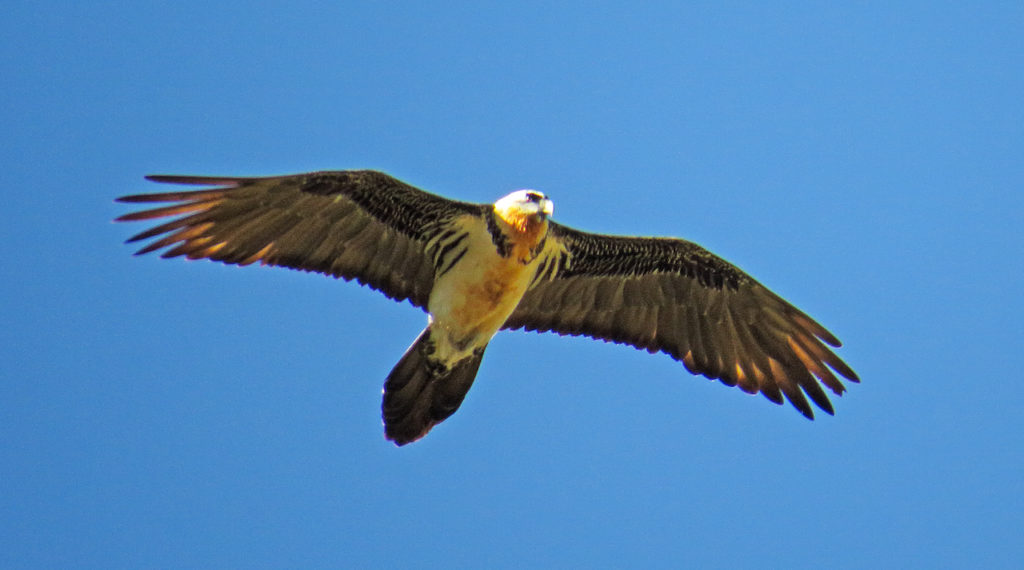
As the source of the Guadalquivir River, the park plays a crucial role in Andalusia’s water system, supporting diverse ecosystems and lush landscapes. We travel through stunning mountains, impressive limestone rock faces, deep gorges, and extensive pine forests to get to one of the highest vantage points in the Sierra Rambla Seca, in search of our main target, the Lammergeyer a.k.a. Bearded Vulture.
We move on to Puerto de las Palomas, a good place to observe numerous birds of prey amidst majestic scenery.
Finally, at El Chorro where the Griffon Vultures have their nests we see these vultures at close range as the soar below us.
We return to Ubeda for the night.

Day 3: Sierra Magina - the realm of the Royal Eagle. Drive to Granada to visit Alhambra.
Right to the heart of the Sierra Magina and at an impressive 5,000 feet- the highest accessible point by vehicle, our route takes us to Caños de Aguadero, combining landscapes of dramatic mountain peaks and open highland meadows of exceptional botanical interest.
Rising dramatically out of myriad olive groves and lands of Mediterranean fruit trees such as almond, cherry and fig, is the immense rock face known as El Torcal. Here, traditional rural activity meets spectacular, rugged countryside.
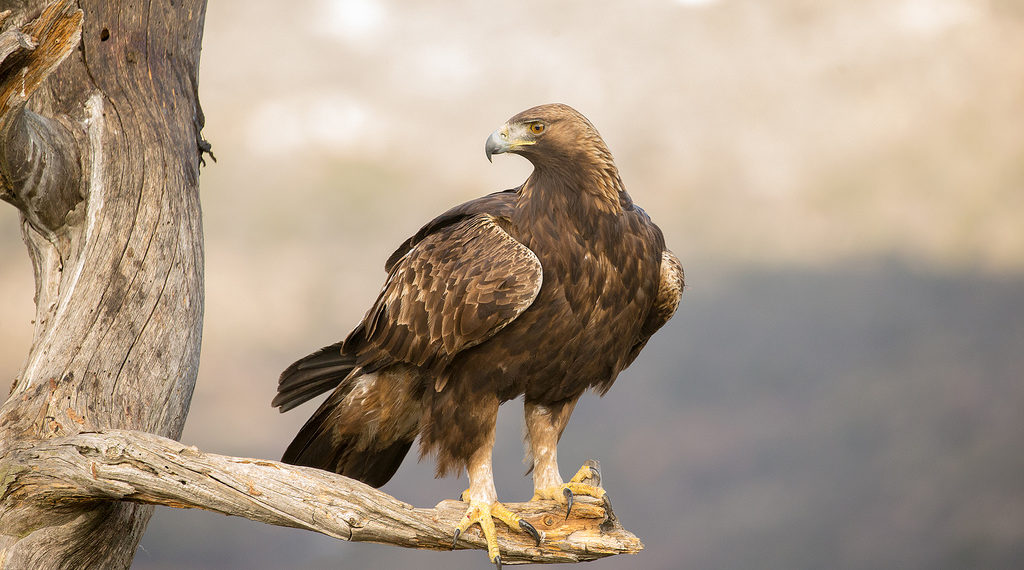
We hope to see Bonelli’s Eagle, Golden Eagle, Goshawk, Crossbill, Rock Bunting, Bonelli’s Warbler, and some Iberian ibex defying the steep rock faces.
We continue to Granada and the Alhambra. Its name derives from old Arabic and means the Red Fortress/Palace. It was was commissioned by the Moorish Emir Mohammed Ben Al-Ahmar, which was eventually turned into a royal palace by Yusuf I Sultan of Granada in the mid-14th century and was one of the last Moorish strongholds in Spain.
In the year 1492, the Emir of Granada surrendered the Emirate of Granada to the Catholic Kings of Spain, King Ferdinand II of Aragon and Queen Isabella I of Castile, who made it the home of the Royal Court. Under Christian ownership, the Alhambra underwent significant refurbishment and restructuring in accordance with the Renaissance style of the time.
With its intricate symmetrical architecture with many small patios with fountains, pools, and lush gardens you will be able to roam and enjoy the cool of the shade amongst fragrant Jasmine, exotic flowers and orange trees. Later in the day we will make our way to the Palacio of Carlos V down to the remparts and the lower parts of the Alhambra, for the spectacular view over Granada and while Nightingales are singing.
The magic of the Alhambra can hardly be conveyed properly by just looking at pictures. It must be experienced. It contains serene beauty and is truly one of the most impressive wonders of the world, even if it did not make the vote to become one of the “new seven wonders of the world”.
In the late afternoon or early evening, we make our way back to Ubeda.
Day 4: Sierras de Andujar Natural Park
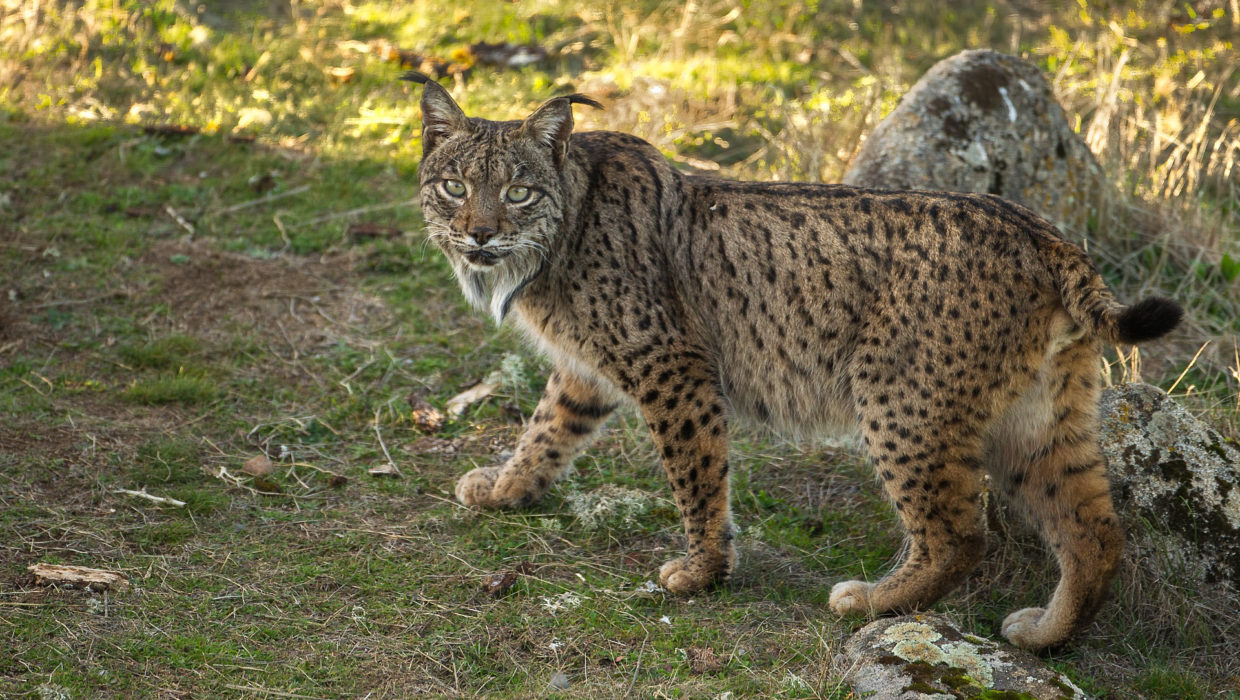
Once arrived in Andujar, we’ll make our first visit to one of the several viewing areas in the hope of finding an Iberian Lynx – one of the world’s most endangered cats. We might get lucky on our first attempt in one of the best areas for wildlife.
After an early breakfast, we’ll head on to the natural park. On the way to our viewpoints, we’ll cross a private estate where we can see fighting bulls next to the road. A little further ahead we’ll stop to look for the lynx, by scanning from vantage points overlooking the landscape.
At lunchtime, we’ll set up our picnic lunch just by the river, near a reservoir, a good spot which overlooks the gully. After lunch, we’ll continue to the main dam and then walk over the massive concrete bridge. Here we can find some interesting birds such as Blue Rock Thrush, Crag Martin, Rock Bunting and Red-billed Chough. There is also a short tunnel at the end of the dam, where we hope to see some species of bats: Whiskered, Daubenton’s, Schreiber’s and Greater Mouse-eared Bats.
At dusk, we’ll drive back to our local hotel to relax after a long day, and get ready to enjoy the local cuisine.
DAY 5: Andujar Search for Iberian Lynx. Midday visit to Cordoba.
We have a second morning at the Lynx viewpoint. This is also a great place to see the local territorial Spanish Imperial Eagle and other raptors like Griffon and Cinereous Vulture. Other species we hope to see are Eurasian Otter, Kingfisher, Yellow Wagtail, Iberian Green Woodpecker, Great Spotted Woodpecker, Golden Oriole, Short-toed Treecreeper, Hawfinch, Great Cormorant and Grey Heron.
At midday, we head to Cordoba, where we will visit the magnificent Mezquita of Cordoba, built in the late 8th century. We shall also make a stroll in the white-painted old Jewish quarters.
We continue towards Jerez de La Frontera, possibly with a short sightseeing by car if time permits, through Seville to sample some more culture. In the late afternoon, we will visit the Laguna de Medina wetland near Jerez in search of ducks such as White-headed Duck and Marbled Teal. Other common species include the Red-crested Pochard and Green-winged Teal. Night in Jerez town – home of the Sherry.
Day 6: Bald Ibis and migration at Tarifa.
We shall drive directly to Vejer de La Frontera to visit the the sucessful re-introduction program of the endangered Bald Ibis (also known as Waldrapp). The colony now consists of some 80 birds.
Our next stop is the wetlands and fields of La Janda, where we make a short detour to target particularly Black-winged Kite, Spanish Sparrow, Collared Pratincole, and Glossy Ibis.
We head on to Tarifa, hoping to arrive mid-morning to witness the amazing migration of storks and raptors. Although it is not peak migration time, which falls some two weeks earlier, it can still be very productive with birds such as raptors like Black Kite, Booted Eagle, Short-toed Snake Eagle, Egyptian Vulture, Griffon Vulture, Marsh and Montagu’s Harriers, early European Honey-buzzard, and sometimes the scarce Rüppell’s Vulture. Black Stork may still occur among many White Storks overflying.
On the way to an overnight near Malaga (likley Torremolinos), we shall visit a coastal site for Audouin’s Gull and scan for Cory’s and Balearic Shearwaters.
Day 7: Malaga.
On our last day, we will bird the Guadalhorce delta in Malaga. The birding is often very good, and we should be able to pick up birds here that we previously have missed. Here is a long list of possible birds.
The rest of the day, before our flights in the afternoon, you will have some free time for cultural activities in Malaga if you wish. The Alcazaba and Picasso Museum, for example, are very interesting. Entrance fees are not included.
Should you want to do additional birding in Spain, we can set up an extension for you. Do you have any particular species you want to see in Spain? Let us know.
Another option is to join the Jordan with Petra birdwatching and culture trip, which we run back-to-back with Southern Spain in 2026.